

Blog
How to Choose the Best Tool for Acupoint and Meridian Therapy

Many practitioners learn acupoints as though they exist independently of the tools used to stimulate them. In reality, the relationship between acupoints, meridians, and treatment tools is much more nuanced.
Not every acupoint is appropriate for every tool.
- Some points are traditionally needled but respond poorly to pressure.
- Some points are ideal for moxibustion.
- Others respond beautifully to cupping, gua sha, electrical stimulation, vibration, or manual techniques.
The question isn't …
Positional Release for a Short Iliopsoas: Simple Thumb Test and a Two-Minute Reset
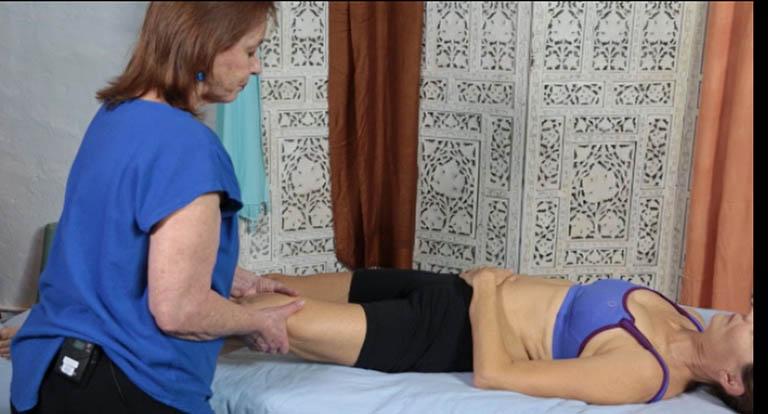
Positional Release for a Short Iliopsoas: Simple Thumb Test and a Two-Minute Reset
Overview
A quick screening and a short positional release can change how a tight or shortened iliopsoas behaves. The approach is simple, reproducible, and effective: use a thumb-length test to identify the side that needs work, then place the muscle in a shortened position from both ends and hold for about two minutes. That brief hold calms the muscle spindles, reduces the stretch reflex, and often produces …
One Symptom Is Not a Diagnosis: What a Musician Named Pete Taught Me About Clinical Assessment
Several years ago, I was working in a multidisciplinary clinic alongside practitioners who had completed an acupuncture certification designed for regulated health professionals.
One day, a former client named Pete came in for bodywork.
Pete was a professional musician. He was a gentle, soft-spoken man who wrote and composed his own music. He suffered from chronic pain, spinal stenosis, and recurring headaches.
As we talked, he mentioned something that surprised me.
He told me that acu…
What Are Acupoints? Understanding the Hidden Communication System of the Body

Dry Needling vs Acupuncture: What’s the Difference in Training?
Many people are surprised to learn that Registered Acupuncturists study several hundred hours of anatomy and physiology as part of their training.
In fact, if you’ve ever been told that acupuncturists don’t study anatomy and physiology, you’re not alone. This misconception comes up fairly regularly in conversations with clients.
Recently, something came up in a professional discussion that reminded me just how common this misunderstanding is. Occasionally, clients tell me they’ve been advised …
Why Practitioners Need to Restore Their Own Qi First
Over the past few years, I’ve found myself wondering something…
What if this period of time has been one big test?
A test of
-
resilience
-
compassion
-
discernment
-
and our beliefs about the world.
More than ever, I’m convinced that no matter what is happening out there, the most important skill we can cultivate is our ability to stay centered, grounded, and aligned.
These days the cool kids call it “nervous system regulation.”
For those of us working in healing profession…
A personal story - how I used Qi Hacking to heal my thyroid and more
The results of my 40-day reset have been truly profound—far beyond what I could have anticipated when I began.
I entered this reset during the Metal element season, working specifically with the Lung and Large Intestine. My intention was clear: to let go of everything that no longer served me. I wrote these intentions down and, at the end of the 40 days, burned them in a simple but meaningful ceremony.
Each day, I meditated, stimulated the microcosmic orbit, expanded it into the quantum field,…
Metal, Water & the Nervous System: How the Seasons Shape Our Ability to Let Go

🌬️ The Metal Element at the Threshold of Winter
As the Metal Element season comes to a close, the body and mind naturally begin shifting into the quieter, deeper energy of winter. This transition — from autumn’s refinement to winter’s introspection — reveals one of the most beautiful aspects of Chinese Medicine: nothing changes abruptly.
Unlike the binary logic of Western thought (on/off, yes/no, 010011), the Five Elements teach us that everything moves through a continuum. The shift between s…
The Truth About Using Heat in Gua Sha and Cupping Treatments

Treating the Du Mai Meridian Directly: Bridging the gap between Acupuncture and Bodywork

Treating the Du Mai Meridian Directly for Lasting Results
Treating the Du Mai meridian directly along its pathway—rather than relying solely on the opening and confluent points—can profoundly improve treatment retention and clinical outcomes.
What if your treatments held their effects longer… simply by accessing the Du Mai where it actually flows, not just where it opens?
Bridging Bodywork and Acupuncture
As practitioners, we’re always looking for ways to get better results while preservin…